Top 10 Perennials
Creating a pollinator-friendly garden is one of the best ways to support local ecosystems. By choosing the right perennials, you can provide essential nectar and pollen for bees, butterflies, hummingbirds, and other beneficial creatures throughout the growing season. Here are 10 top perennial plants, their bloom times, and which pollinators they attract:
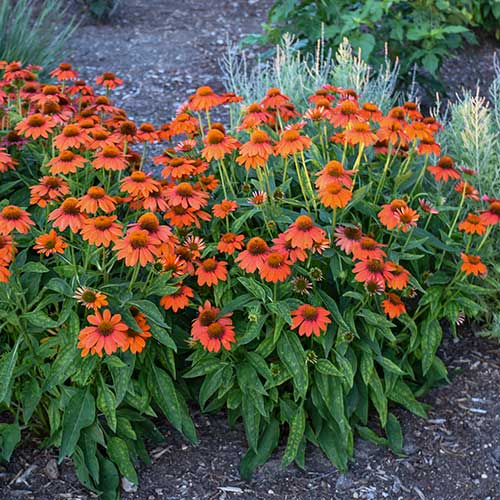
1. Echinacea (Coneflower)
Bloom Time: Mid-summer to fall
Attracts: Bees, butterflies, and birds (finches love the seeds)
With its large, daisy-like blooms, Echinacea is a long-lasting nectar source. Its sturdy stems and vibrant colours make it a garden staple that supports pollinators well into autumn.
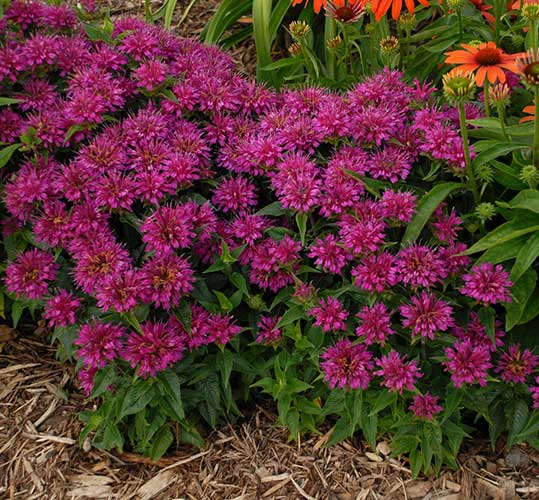
2. Monarda (Bee Balm)
Bloom Time: Early to mid-summer
Attracts: Bees, butterflies, hummingbirds
Monarda’s tubular flowers are perfectly shaped for hummingbirds and long-tongued bees. Its fragrant foliage adds an aromatic element while offering a bold splash of colour in reds, pinks, and purples.
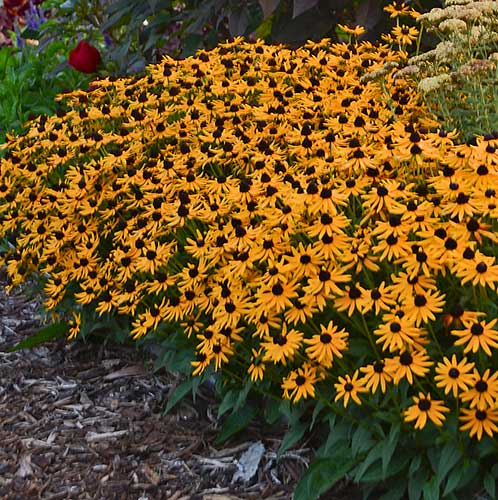
3. Rudbeckia (Black-Eyed Susan)
Bloom Time: Mid-summer to fall
Attracts: Bees, butterflies, beneficial insects
The sunny, golden blooms of Rudbeckia are hard to miss. Their open centres provide easy access for a wide range of pollinators, making them a reliable nectar source late in the season.

4. Asclepias (Milkweed)
Bloom Time: Late spring to summer
Attracts: Monarch butterflies, bees, other butterflies
Milkweed is critical for monarch butterflies as a larval host plant and provides nectar for a wide array of pollinators. Native species like Common Milkweed and Swamp Milkweed are particularly valuable.
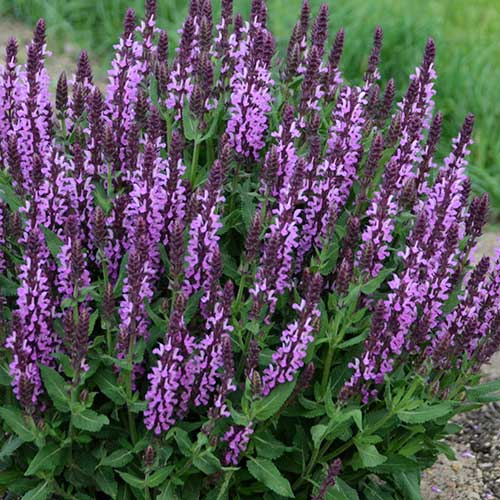
5. Salvia
Bloom Time: Late spring to early fall
Attracts: Bees, butterflies, hummingbirds
Salvia’s spiky blooms produce abundant nectar over a long season. Its vibrant colours and drought tolerance make it both beautiful and practical for any pollinator garden.
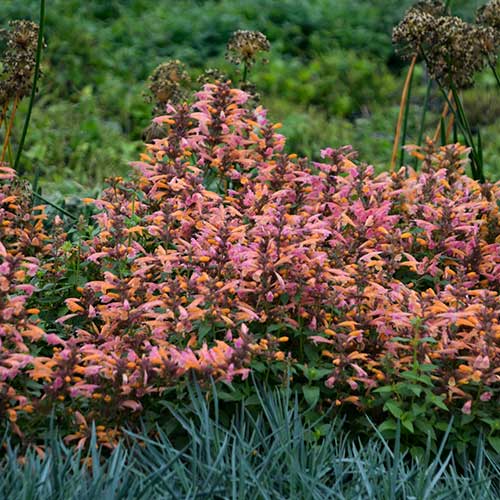
6. Agastache (Anise Hyssop)
Bloom Time: Mid-summer to fall
Attracts: Bees, butterflies, hummingbirds
Agastache’s tall spires of lavender, pink, or orange blooms are rich in nectar and highly aromatic. Its long bloom period ensures pollinators have food well into fall.

7. Nepeta (Catmint)
Bloom Time: Late spring to summer, with repeat blooms
Attracts: Bees, butterflies
Nepeta’s soft blue-purple flowers and silvery foliage attract pollinators early in the season and can re-bloom with light pruning. Its sprawling habit makes it perfect for borders.

8. Coreopsis (Tickseed)
Bloom Time: Late spring to late summer
Attracts: Bees, butterflies
Coreopsis delivers bright, cheerful blooms that are nectar-rich and long-lasting. Its resilience and easy care make it a pollinator favourite.
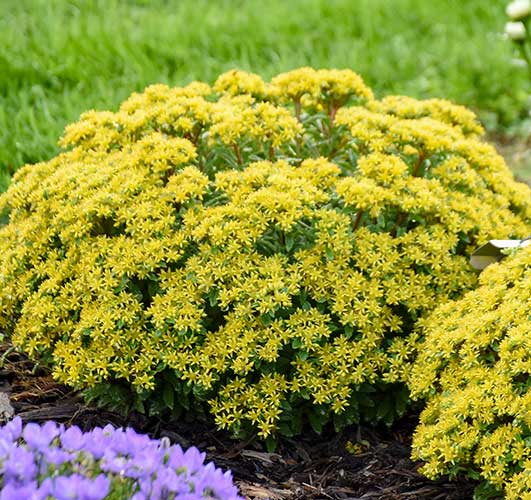
9. Sedum (Stonecrop)
Bloom Time: Late summer to fall
Attracts: Bees, butterflies
Sedum’s fleshy, clustered blooms provide critical late-season nectar when many other plants are finishing. Varieties like ‘Autumn Joy’ are especially popular with bees.
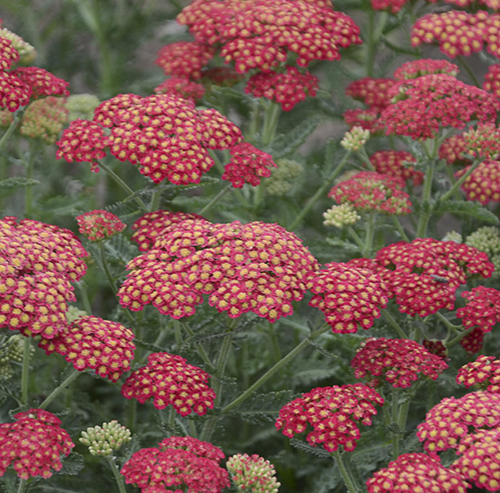
10. Achillea (Yarrow)
Bloom Time: Early summer to late summer
Attracts: Bees, butterflies, beneficial insects
Yarrow’s flat-topped flower clusters support a wide range of pollinators and beneficial insects. Its drought tolerance and soil-improving properties are added bonuses.
Tips for a Successful Pollinator Garden:
- Choose a variety of plants that bloom from early spring to late fall.
- Incorporate native species whenever possible for best ecological benefit.
- Avoid using pesticides and herbicides.
- Provide a water source, such as a shallow dish with stones for landing spots.
- Plant in clusters to help pollinators locate flowers more easily.
By planting these top 10 perennials, you’ll not only enjoy a colourful, thriving garden, but you’ll also play an important role in supporting pollinator populations all season long.
Top 10 Shrubs
Shrubs are an excellent way to add structure, beauty, and year-round interest to your garden while supporting pollinators. The following ten shrubs not only offer stunning blooms but also provide vital nectar and pollen for bees, butterflies, hummingbirds, and other beneficial creatures throughout the season.
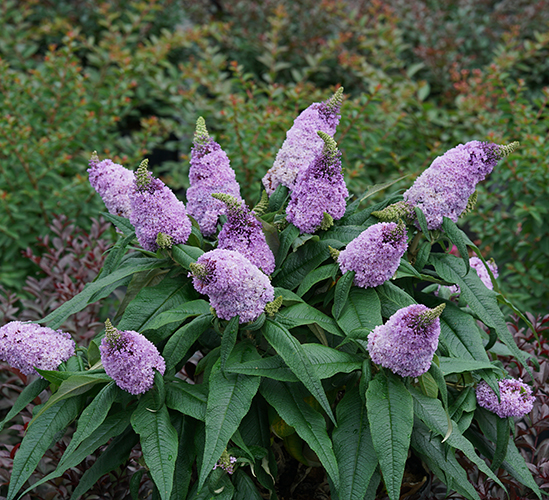
1. Buddleia (Butterfly Bush)
Bloom Time: Mid-summer to early fall
Attracts: Butterflies, bees, hummingbirds
Buddleia earns its common name with fragrant, cone-shaped flower clusters that are irresistible to butterflies. Its long bloom period provides vital nectar late in the season when other flowers may be fading.
2. Ceanothus (California Lilac)
Bloom Time: Spring to early summer
Attracts: Bees, butterflies
Ceanothus produces dense clusters of blue or white flowers early in the season. Its high nectar content makes it one of the first critical food sources for pollinators emerging in spring.

3. Caryopteris (Bluebeard)
Bloom Time: Late summer to early fall
Attracts: Bees, butterflies
Caryopteris offers airy blue flowers during the late summer gap when many other shrubs have finished blooming. Its aromatic foliage and rich nectar content make it a valuable late-season resource for pollinators.
4. Rosa rugosa (Rugosa Rose)
Bloom Time: Late spring to fall
Attracts: Bees, butterflies, beneficial insects
Rosa rugosa features fragrant, open-pollinated flowers that allow easy access for bees and butterflies. Its long blooming season and attractive rose hips also benefit birds in winter.

5. Spiraea
Bloom Time: Late spring to mid-summer
Attracts: Bees, butterflies
Spiraea produces clusters of tiny flowers in shades of pink or white, drawing in a variety of pollinators. Its compact habit and long flowering period make it a versatile addition to any landscape.
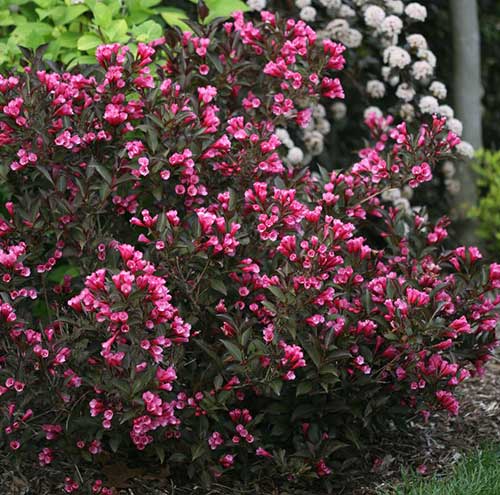
6. Weigela
Bloom Time: Late spring to early summer
Attracts: Hummingbirds, bees
Weigela’s tubular flowers are highly attractive to hummingbirds and bumblebees. Many varieties offer repeat blooming, providing an extended nectar source.
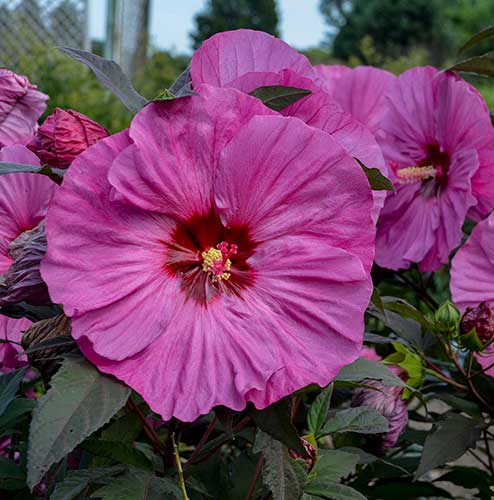
7. Hibiscus syriacus (Rose of Sharon)
Bloom Time: Mid-summer to fall
Attracts: Bees, hummingbirds, butterflies
Rose of Sharon features large, showy blooms that provide nectar well into the fall. Its upright habit makes it a striking focal point while supporting pollinators late in the season.
8. Mahonia (Oregon Grape)
Bloom Time: Late winter to early spring
Attracts: Early bees, hummingbirds
Mahonia blooms very early, often when little else is available for pollinators. Its yellow flower clusters are a vital food source for emerging bees and early-season hummingbirds.
9. Hebe
Bloom Time: Late spring to summer
Attracts: Bees, butterflies
Hebe shrubs offer attractive, compact flowers that bloom in succession. Their evergreen foliage provides year-round garden interest while supporting pollinators in warmer months.
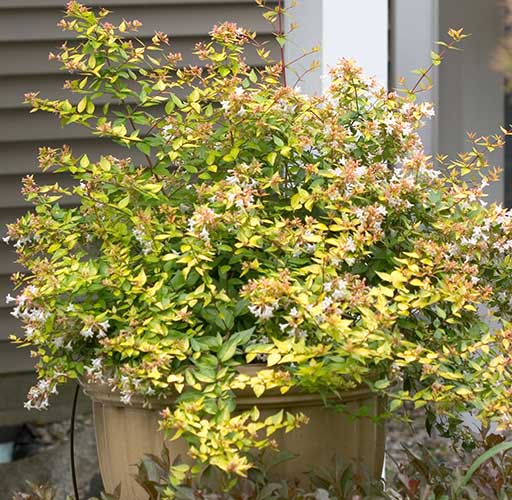
10. Abelia
Bloom Time: Summer to fall
Attracts: Bees, butterflies, hummingbirds
Abelia produces small, trumpet-shaped flowers over a long season, drawing in a wide variety of pollinators. Its glossy foliage and graceful arching branches add elegance to pollinator-friendly plantings.
Tips for a Successful Pollinator Landscape:
- Include a mix of shrubs and perennials for season-long blooms.
- Incorporate native and well-adapted plants for your region.
- Avoid using pesticides, especially during bloom periods.
- Provide water sources and shelter for pollinators.
- Plant in groups to make it easier for pollinators to locate flowers.
By including these top 10 shrubs in your garden, you’ll create a thriving pollinator habitat that offers beauty, biodiversity, and ecological benefits for years to come.